
Why Is Dating So Hard in 2026? (And What Nobody Tells You About Why It Hurts)
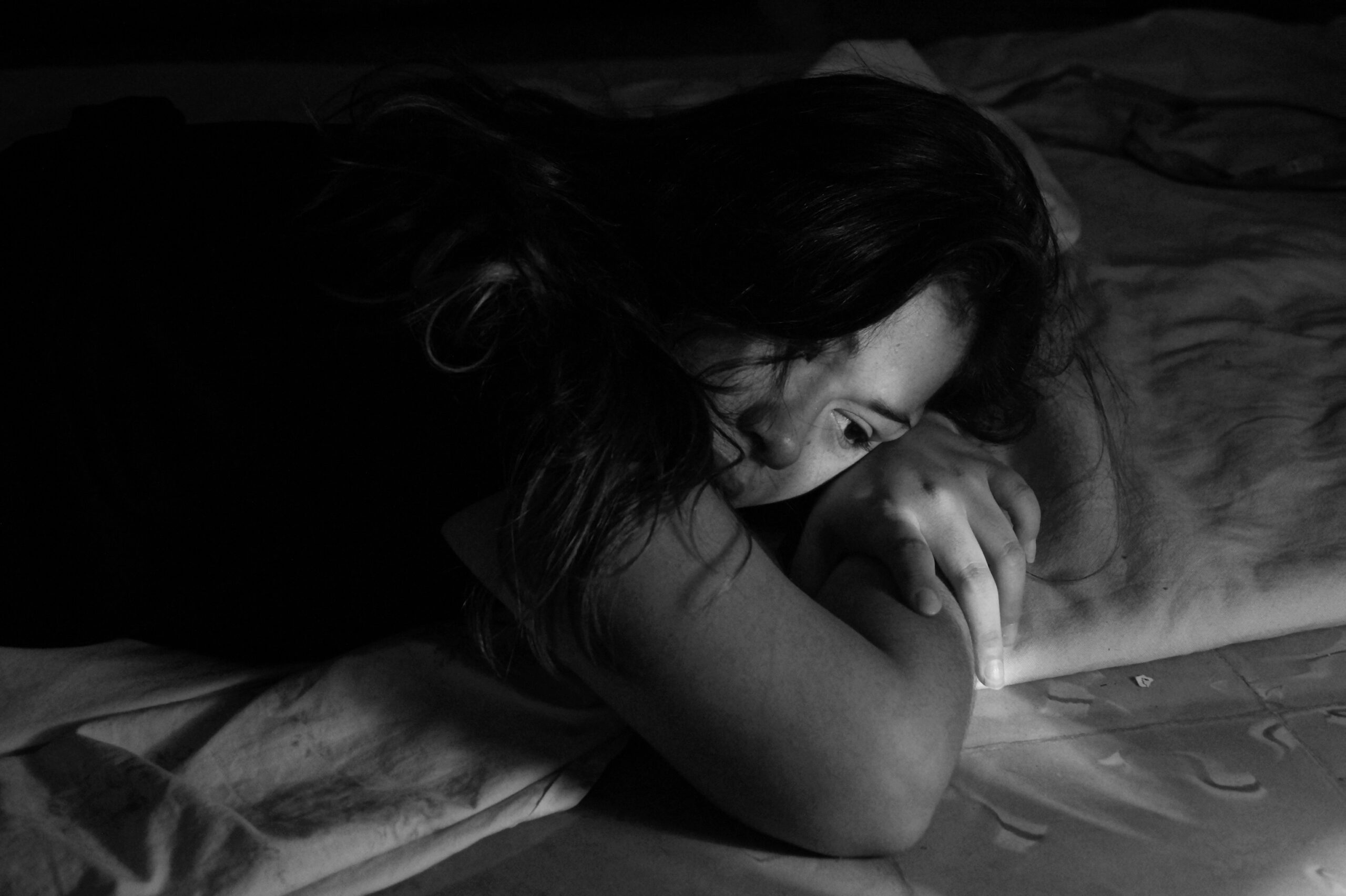
Why Is Dating So Hard in 2026? You opened Hinge this morning. Scrolled for eleven minutes. Closed the app. Felt nothing.
Maybe worse than nothing. Maybe you felt that specific kind of emptiness that only comes from looking at forty faces and not caring about a single one. Or matching with someone promising, exchanging six messages, and watching the conversation flatline like a heart monitor in a bad movie.
If that sounds familiar, you are not broken. And you are definitely not alone.
Something about dating right now feels fundamentally off. Not just difficult. Off. Like the tools we have been given to find connection were designed by people who have never actually felt lonely. Like the system itself is rigged to keep you searching without ever truly finding.
Let me walk you through exactly why that is, and more importantly, what you can actually do about it.
Related Post: Spiritual Dating App — Why Mainstream Apps Fail Spiritually Aligned People
The swipe economy broke something in us
Here is a number that should stop you cold. According to a 2025 Hily State of Dating report, 51 percent of American men had zero dates last year. Not a few bad ones. Zero. Meanwhile, three out of four Gen Z dating app users told Forbes Health they feel emotionally burned out from the experience. Bumble lost 16 percent of its paying users. Tinder keeps hemorrhaging subscribers.
The apps are failing. The numbers prove it. But we keep going back because what else is there?
The problem is structural. Every major dating app is built on the same broken foundation. You look at a photo. You make a snap judgment. You swipe. Repeat this four hundred times, and something inside you starts to go numb. Researchers at Arizona State University tracked dating app users over twelve weeks and found that the longer people used swipe apps, the more emotionally exhausted and cynical they became. The tool designed to cure loneliness was actively making people more isolated.
And the cruelest part? The apps know this. Their business model depends on you staying single. A matched, happy couple deletes the app. A frustrated, hopeful single renews their subscription for another month.

We forgot how to be real with each other
There is a specific kind of performance anxiety that only exists on dating apps. You know the one. You match with someone, and suddenly every message feels like a job interview. You are trying to be funny but not too funny. Interested but not desperate. Casual but clearly looking for something. The mental gymnastics are exhausting.
Fifty-six percent of singles told Tinder that honest conversations matter most to them in 2026. But the platforms they are using reward the opposite. They reward polished photos, clever bios, and perfectly timed responses. They punish vulnerability. They punish slowness. They punish anyone who needs more than three seconds to decide if a stranger deserves their attention.
This is what happens when we turn human connection into a marketplace. Everyone becomes a product. And products do not have feelings.
The paradox of too many options
You would think that having access to thousands of potential partners would make dating easier. It does the opposite.
Psychologists have studied this for decades. When you give people too many choices, they become paralysed. They second-guess every decision. They start optimising instead of connecting. That person seems great, but what if someone better is three swipes away? This thinking is poison to actual intimacy, but the apps are engineered to encourage it.
One study found that dating app users reported significantly lower self-esteem and higher loneliness compared to people who did not use apps at all. Read that again. The people actively trying to connect felt lonelier than the people who were not even looking. That is not a personal failure. That is a design failure.
Related Post: Dating App Burnout Is Real and Here Is How To Heal From It
Men are struggling more than anyone admits
We need to talk about this honestly because almost nobody does.
The data shows that men are having a particularly brutal time on dating apps. Research suggests that women rate 80 percent of male profiles as below average in attractiveness on these platforms, a statistical impossibility that reveals how the medium distorts perception. Men who are magnetic in person, funny, warm, genuinely kind, often cannot convey any of that through a grid of carefully selected photos.
The result is a quiet epidemic. Men logging on every night, swiping with decreasing hope, internalising rejection after rejection, and telling nobody about it because admitting you are struggling with dating still carries a stigma. Many eventually just stop trying. They do not become happy being single. They just become resigned.
This is not a men versus women issue. Women face their own version of this nightmare, from objectification to safety concerns to the emotional labour of filtering through low-effort messages. Everyone is losing in this system. The apps just make sure everyone loses in slightly different ways.

Why does it feel worse in 2026 specifically?
Because the gap between what we want and what the apps deliver has never been wider.
People in 2026 are craving depth. Real depth. Not “what are your three favourite films” depth. The kind where someone asks about your relationship with your parents and actually listens to the answer. Eighty-four percent of Gen Z daters told Hinge they want to find meaningful connections. Nearly half of men said they are holding back from emotional intimacy because they do not want to seem like too much.
We are a generation starving for real connection while being handed tools that only let us scratch the surface.
The trends reflect this frustration. Singles are demanding “clear coding,” which means stating exactly what you want upfront. They want partners who are in therapy or at least open to it. They are bringing their friends into their dating decisions because they no longer trust their own judgment after being burned so many times. People are even leaving apps entirely and trying to meet people through running clubs, book groups, and hobby events.
Dating has not gotten harder because people have gotten worse. It has gotten harder because the systems we rely on have failed to evolve past the swipe.
The loneliness underneath
Here is what nobody talks about at parties or in group chats.
Eighty-five percent of Gen Z in the UK report feeling lonely. Not occasionally. Regularly. The generation that grew up with more ways to connect than any generation in human history is also the loneliest one we have ever measured.
Dating app fatigue is not just about bad dates or boring conversations. It is about a deeper exhaustion. The exhaustion of performing. Of curating. Of reducing yourself to six photos and a bio and hoping someone sees past the packaging to the actual human inside.
Every time you swipe left on someone, you are making a judgment about a human being in less time than it takes to sneeze. Every time someone swipes left on you, they are doing the same thing to you. Multiply that by thousands and ask yourself how that would not eventually start to erode your sense of worth.
Related Post: Why Do People Ghost and What It Really Says About Them
So what actually works?
If you are reading this and feeling seen, here is what I want you to know. The problem is not you. It never was.
But waiting for the apps to fix themselves is not a strategy either. Here are some things that actually help.
Stop treating dating like a task to optimise. You are not looking for the best possible person. You are looking for a person you genuinely connect with. Those are very different searches.
Take breaks without guilt. Deleting an app for a month is not giving up. It is protecting your mental health. Research shows that stepping away from dating apps significantly reduces anxiety and emotional exhaustion.
Lead with what matters. If you want depth, be deep first. Ask real questions. Share real answers. The people who are scared off by authenticity were never going to be your person anyway.
Pay attention to how you feel, not just how someone looks. That initial spark based on a photo tells you almost nothing about compatibility. Some of the best relationships start with a slow burn, with someone you would not have swiped right on but who made you laugh until your stomach hurt on a Tuesday afternoon.
Meet people in contexts where you can actually see who they are. Activity-based settings, shared interests, group environments. Places where someone’s energy, humour, and kindness can show up in ways that a profile photo never captures.
And honestly? Be open to the possibility that the next wave of dating technology might actually get it right. Not apps built on swiping and surface judgment. Apps built on values. On voice. On the questions that actually reveal who someone is.
The way we date is changing. Slowly. Painfully. But it is changing. And the people who are tired of the old way are exactly the ones who will shape whatever comes next.
If this resonated with you, you are exactly who we are building CoreAllure for. A dating app that starts with who you are, not what you look like. Join the waitlist at coreallure.com.
Related Article: Why Is Dating So Hard? 5 Biggest Issues with Dating Today
Related Article: Why is dating so hard?!
Ready for a different kind of dating app?
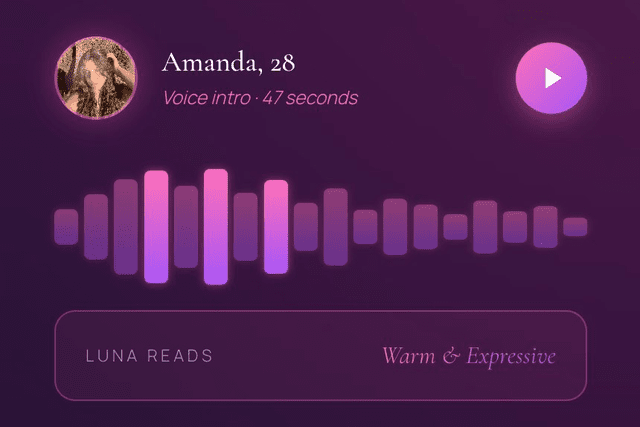
Why Voice Intros Are Better Than Photos in Dating
Why are voice intros better than photos? Because a voice carries the things a photo cannot: warmth, humor, energy, the way someone actually is. You can…
The Dynamics of Long-Distance Relationships
Quick Answer: Long-distance relationships work when two people share a clear goal, communicate honestly, and protect the connection with small daily rituals instead…
Are Dating Apps Making You Worse at Dating?
Are dating apps making you worse at dating? Yes. They train you to swipe rapidly, destroy your attention span, replace real conversations with mindless texting, and…